
Automakers Must Switch Routes to Compete With China
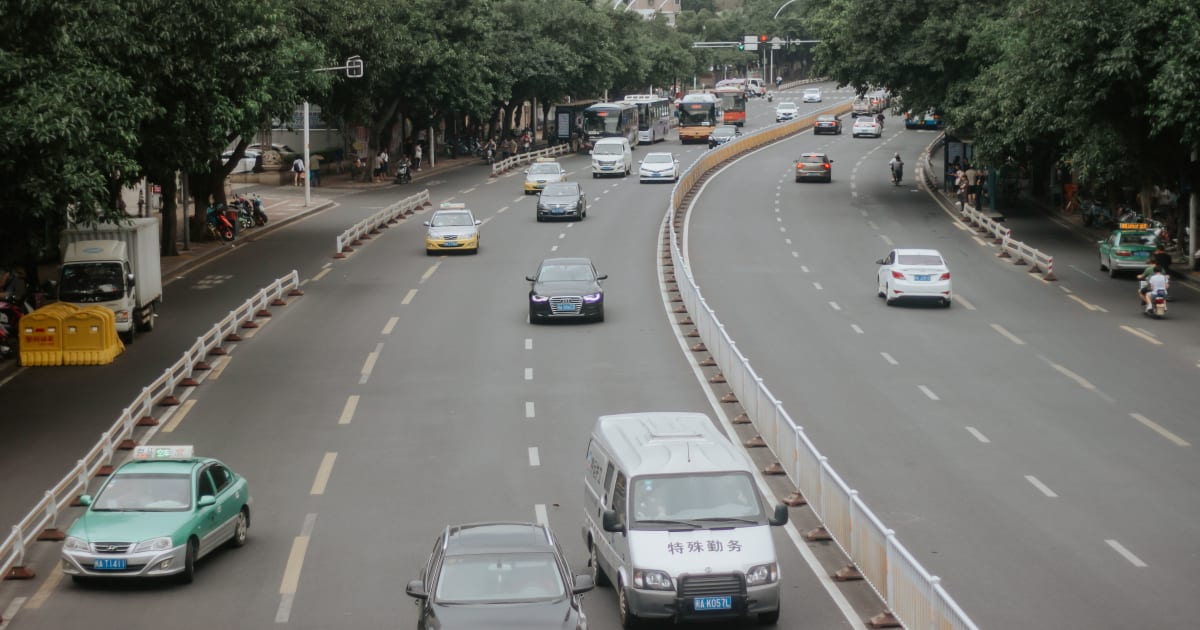
Chinese automakers’ toehold in Europe is growing, just one sign that Western rivals must up their games to stay competitive.
A Mobility Global forecast has China’s share of the European auto sales market reaching almost 20% by 2030. That’s a far cry from right at zero in 2010.
According to the auto data provider, formerly S&P Global Mobility, Chinese brands’ presence in Europe didn’t start to grow until the pandemic. Today, it’s at nearly 15% as the brands’ lower-cost models attract cost-conscious consumers.
While Chinese-made cars have essentially been barred from the U.S. market, that may not last forever, and domestic automakers must make wholesale changes now to be optimally prepared, the company said in its report.
As China makes inroads in Europe, non-Chinese brands are expected to cede ground in the Chinese auto market, according to Mobility Global, which expects their share there to fall by two-thirds by next decade to 20%.
China has spent decades building its auto sector as part of the country’s overall industrial development, the report pointed out. Its strong supply networks, efficient development cycles, battery supply controls, and marketwide product innovation have positioned it to pass competitors.
Western automakers must now shift to comprehensive companywide transformation to make operations lean, integrated and efficient instead of focusing largely on vehicles themselves, the company said
“The challenge is no longer just building better vehicles. It is building a better system,” said Vice President of Forecast Strategy Michael Robinet.
Otherwise, they would end up in what Mobility Global calls a “managed retreat” from parts of the mass market while further consolidating to maintain scale and profits.
At least some U.S. automakers have so far doubled down on popular large pickups and SUVs with a “bridge” of hybrids to meet renewed demand resulting from war-inflated gas prices. But that strategy should be only a stopgap, the report cautions, because it “delays the much-needed transformation.”