
Parts Delivery Takes Flight
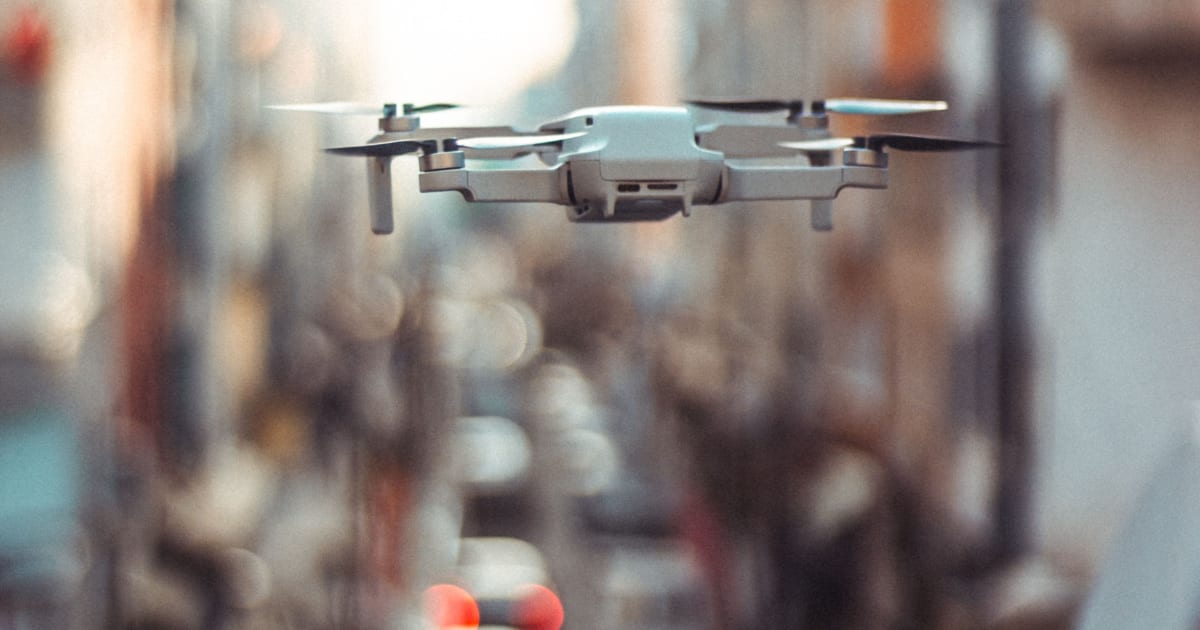
The Jack Demmer Automotive Group found a way to remove barriers to efficient automotive parts delivery: an autonomous drone delivery program.
The auto group partnered with drone technology companies Airspace Link and blueflite with support from Centrepolis Accelerator to “deploy drones to deliver high-demand parts within a 12-mile radius of Jack Demmer Ford dealerships in Southeast Michigan.”
“This groundbreaking program allows us to move critical parts faster than ever before, helping reduce repair delays, improve efficiency, and get our customers back on the road sooner,” said Jack Demmer Ford Parts Manager Mark Hatfield.
“It’s not just about speed—it’s about delivering the level of service, innovation, and customer care that our customers have come to expect from Jack Demmer.”
The initiative is supported by a $740,000 grant from Michigan’s Advanced Air Mobility Activation Fund. The program’s goal is to create “a more resilient and efficient automotive supply chain” by flying over traffic congestion that delays parts delivery, slows vehicle repairs and frustrates customers, according to Airspace Link.
“This deployment with Jack Demmer and blueflite is a real-world demonstration of what it looks like when airspace management, drone technology, and commercial need all come together,” said Airspace Link co-founder and Vice President of Customer Success Ana Healander.
“Michigan has built the conditions for this to succeed, and we’re proud to be the infrastructure layer that makes it possible.”
According to Airspace Link, “the program is expected to generate critical operational data to inform regulatory policy, accelerate industry adoption of drone logistics, and serve as a national model for scaling drone delivery across the automotive sector and beyond.”
Avoiding running afoul of regulators when delivering by drone can be complex due to federal aviation laws, in addition to local rules, and some states have tighter restrictions than others.
After successful pilot test flights in the metro Detroit airspace, the Michigan program is moving into live commercial operations using the Ann Arbor-Detroit drone corridor as its operational environment. The corridor is a roughly 40-mile stretch of skyway between Ann Arbor and Detroit designed to advance air mobility.