
Rare Earths Independence
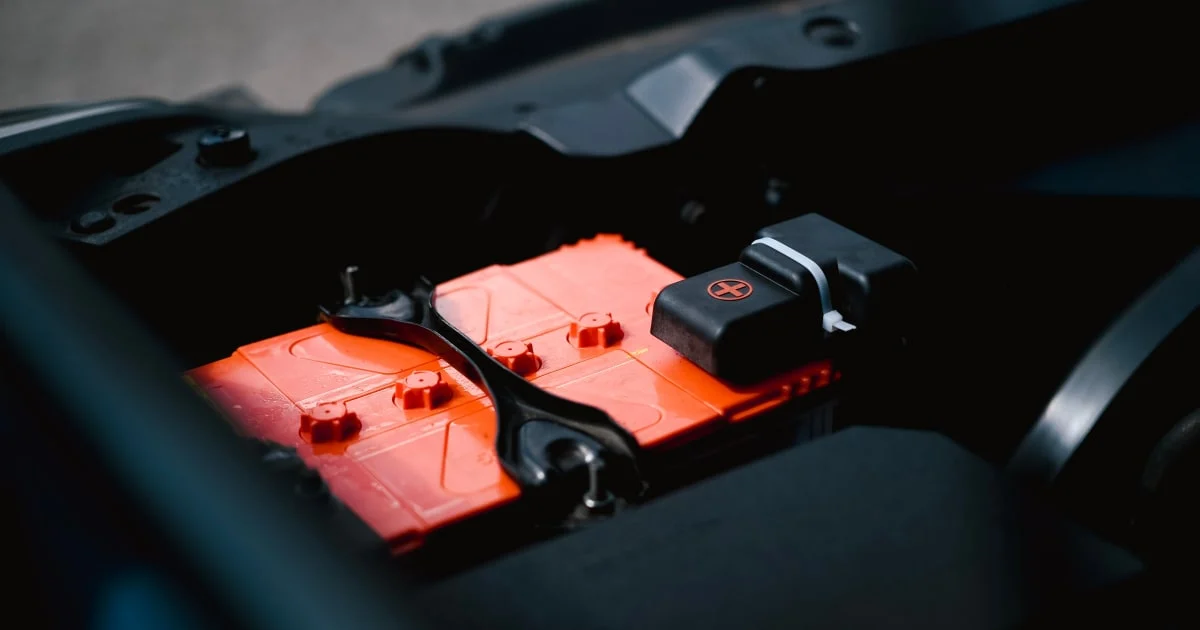
Two automakers recently forged end arounds to the challenge of sourcing rare-earth materials for batteries and other manufacturing needs.
The commodities have become much sought-after by automakers and harder to come by. China has a corner on the market and last year curbed rare-earths exports in answer to U.S. tariffs.
Some automakers are finding ways to compensate. Porsche has partnered with multiple companies to recycle battery materials to make battery cells from entirely reused substances rather than raw rare earths by using a water-based process at plants in its home country.
The materials include lithium, nickel, cobalt and manganese and put Porsche on the road to what’s known as closed-loop battery manufacturing that would free the automaker from dependence on outside sources.
The German company said it’s testing the product of the pilot program in “real-world conditions” with the aim of new battery cell production starting in 2028.
“This innovation is a key step in advancing both circular economy principles and raw material resilience, always with the ambition of optimizing progress, quality and resource efficiency,” said Joachim Scharnagl, a member of Porsche’s Executive Board for Procurement.
Meanwhile, Honda has invested in a U.S.-based magnet maker that manufactures its product without rare earths.
The investment of an undisclosed amount in Niron Magnetics goes toward “[commercializing] the world’s first rare-earth-free iron nitride permanent magnets,” said Honda through its Honda Xcelerator Ventures innovation concern.
Honda Director, Executive Officer Mahito Shikama said most electric propulsion motors use permanent magnets made from rare earth metals. “Niron Magnetics is addressing these challenges, and Honda has high hopes for its potential,” he said.
The Niron magnet technology could be applied in automotive and other industries, Honda said.
“Rare-earth-free permanent magnets represent an important opportunity for the future of electrified mobility by helping reduce dependence on constrained global supply chains while supporting long-term performance, cost stability, and sustainability goals,” the Japanese automaker said.