
The Future of Car Dealerships
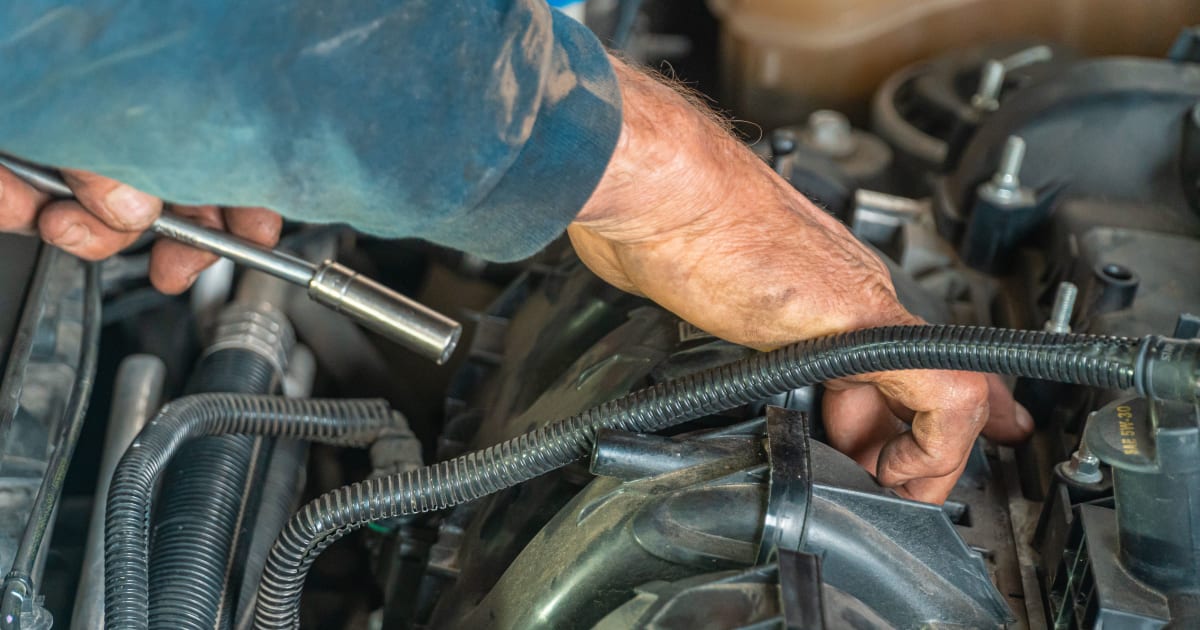
Artificial intelligence is reshaping the service-drive experience and will help retailers stay competitive.
Amid technician shortages, supply chain volatility, and rising customer demands for convenience and transparency, automotive dealerships are turning to artificial intelligence.
But are they actually maximizing its full potential?
Nearly 90% of dealers say that they primarily use or plan to use AI in sales tracking, but sales functions represent only a fraction of AI’s transformative potential in the car dealership experience.
Forward-thinking dealerships should be leveraging AI across all departments if they hope to stay competitive and relevant in the AI age.
Vehicle Inspections and Diagnostics
Traditional manual inspections of cars are time-consuming, inconsistent and prone to human error, often resulting in service bottlenecks or overlooked issues that could have been caught earlier.
AI-powered automated inspection systems offer an alternative, leveraging computer vision and machine learning to quickly and accurately identify issues, such as tire conditions, tread depth and date of expiration; body damage, dents, and scratches; worn brake pads and suspension components; fluid leaks and engine diagnostics. These systems can carry out a complete vehicle inspection in minutes rather than hours, helping to improve service lane throughput and accuracy.
More importantly, AI inspections provide transparent, visual evidence of vehicle health or damage that customers can see for themselves – building trust and reducing the perception held by many consumers that car dealerships might be “taking them for a ride” on pricing.
It’s important to remember that AI should augment human expertise, not replace it. Technicians and service advisers still make final determinations about recommendations, prioritization and customer communication, becoming trusted consultants armed with objective data. This “human-in-the-loop” approach combines AI’s speed and consistency with human judgment and relationship skills that only people can provide.
Even beyond mere diagnostics, AI inspection technology drives value across dealership operations by streamlining appraisals and enabling service-to-sales opportunities. Whether dealerships are pricing vehicle trade-in deals or determining when repairs might cost more than vehicle value, the granular diagnostic capabilities of AI inspections offer objective vehicle assessments that benefit both dealers and customers.
Proactive, Data-Driven Customer Relationships
AI critically enables dealerships to shift from reactive service to proactive customer care.
By analyzing vehicle inspection data, service history and connected car data, AI can predict the maintenance needs of loyal customers before issues become problems. Service advisers can then reach out to customers with personalized recommendations informed by individual driving patterns and vehicle usage, seasonal maintenance needs, and past failure analysis from similar vehicles.
AI-powered customer communication systems also allow dealerships to automatically send personalized messages with service reminders, special offers and vehicle health updates. Data analytics, which reveal customer preferences and behavior patterns, enable more targeted and effective service marketing.
By rewarding repeat customers with a more personalized, efficient experience, these AI tools drive customer retention, increase service revenue and strengthen customer relationships.
Optimizing Operations
Predictive analytics provided by AI technology can forecast service demand based on patterns, like weather-related seasonal trends and local driving factors, enabling more strategic, needs-based resource allocation and parts stocking.
AI-powered inventory management similarly ensures that the right parts are available when needed, reducing customer wait times and return appointments. The parts department, for example, can use AI analytics for demand forecasting and automated ordering based on inspection data and predictive maintenance schedules.
Automated scheduling and smart workflow management systems leverage AI to optimize appointment prioritization based on service complexity and technician availability, predict service duration more accurately, automatically reschedule tasks amid any delays, and maximize technician productivity, even in the face of staffing shortages.
The Fully Integrated Dealership
While service operations offer the foremost opportunity for AI integration, truly forward-thinking dealerships are finding even more savvy ways to implement the technology across all departments.
For customer experience teams, for example, the wealth of cross-departmental data provides a 360-degree view of each customer’s journey, allowing better service and communication. In this sense, the AI shift has created an unprecedentedly holistic approach to dealership management, full of operational synergies that multiply the benefits of AI investment.
The Dealership of the Future
The dealers that thrive in the AI age will be those who can reimagine their entire operation through an AI-first lens, responsibly leveraging this powerful tech to put consumer choices front and center of both sales and service experiences.
New technologies are already poised to create transparent, efficient and proactive service experiences that can turn skeptical customers into loyal advocates. Especially as staffing challenges persist and customer expectations continue to rise, AI will prove to be more than just a competitive advantage – it will become essential for dealerships to thrive.
ABOUT THE AUTHOR: Omer Bar-Joseph is chief revenue officer of UVeye.
EDITOR’S NOTE: This article was authored and edited according to F&I and Showroom editorial standards and style. Opinions expressed may not reflect that of the publication.